Template-clamping-pressure-on-plywood
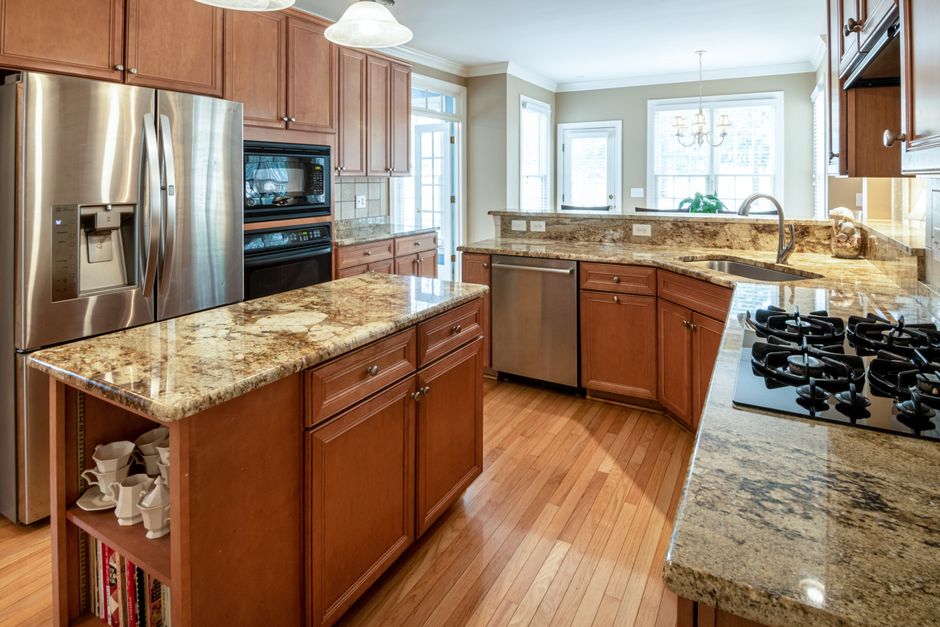
Many installers tighten the clamps on a plywood template until the wood fibers compress and the entire layout shifts. The breakdown sitting on custom countertops buncombe county nc boulder yellow cab lists them in order to prevent such dimensional errors during a countertop installation in Buncombe County, NC.
Mechanical Pressure and Template Stability
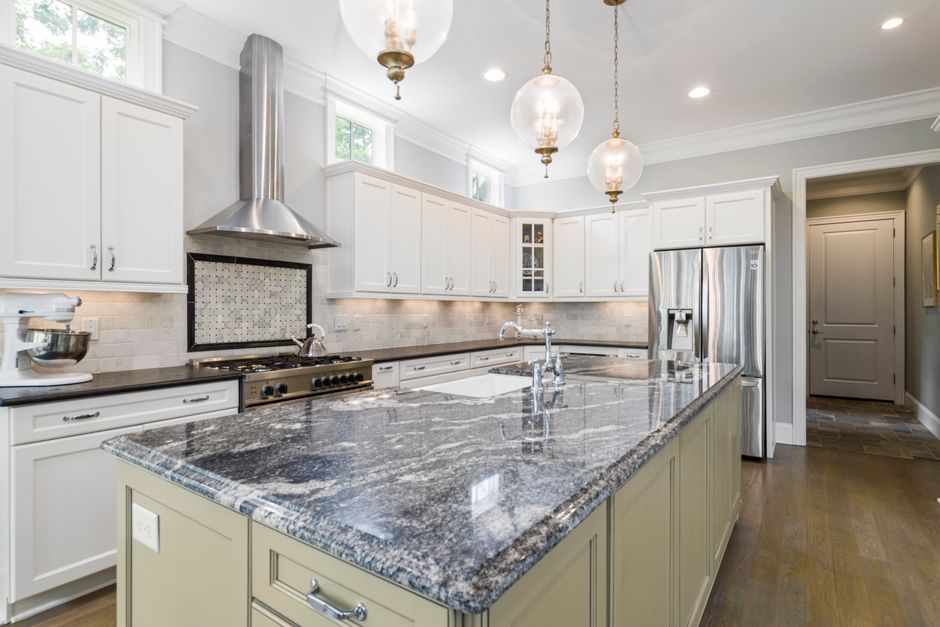
Applying too much force with C-clamps or spring clamps causes the plywood to bow. This deformation changes the position of a sink cutout or a seam placement. A template must remain flat against the base cabinets to ensure the slab fits correctly. If the wood bends under pressure, the measurements for a granite or quartz piece will be off by several millimeters. This error becomes apparent only during the final fit. Using thin plywood makes this problem worse because the material lacks the structural rigidity to resist clamp load.
Clamping Techniques for Accuracy
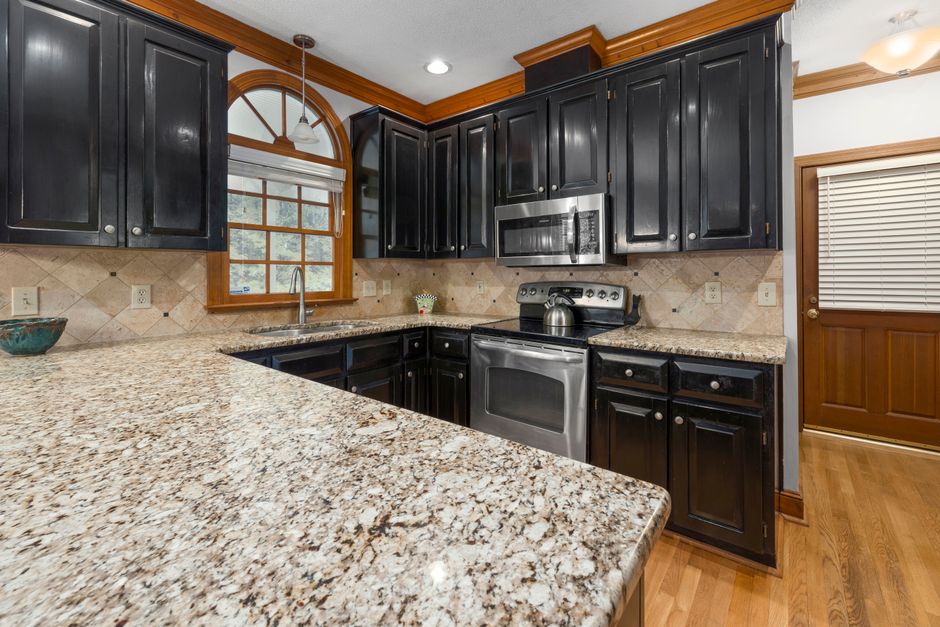
Pressure should be applied evenly across the entire surface area. Instead of concentrated points, use wide clamps or even a sacrificial piece of scrap wood to spread the load. This prevents the clamp from digging into the plywood and altering the shape. When marking a seam for a large quartzite or marble installation, the template must stay locked in place. A single millimeter of movement during the marking process ruins the alignment for the entire run. Mechanical stability dictates that the template remains a true representation of the actual work surface.
Managing Material Movement
Temperature and humidity in Buncombe County, NC affect how plywood behaves. Wood expands and contracts, which can cause a template to drift if it is held too tightly in one spot. A loose template is just as dangerous as a crushed one. The goal is to hold the template firmly enough to prevent sliding, but lightly enough to avoid warping. This is especially true when mapping out a complex edge profile or a waterfall edge. The template must reflect the exact geometry of the cabinets without any internal tension from the fasteners.
Verifying the Layout
Once the clamps are set, a physical check of the overhang and the sink cutout is required. Measuring from fixed points like a wall or a finished cabinet face helps confirm the template has not moved. If the clamps have pulled the plywood toward a corner, the cutout will be incorrectly positioned. A small error in a butcher block or granite layout often results in a gap at the seam. Checking the dimensions before the final ink or digital template transfer prevents costly mistakes with expensive stone material.
Final Template Security
Secure the template with a combination of light clamping and adhesive if the surface allows. This ensures that no part of the layout shifts during the final measurement phase. A stable template allows for precise work on every slab, whether it is a large piece or a small remnant. Keeping the pressure consistent throughout the process maintains the integrity of the design.