Angle-grinder-torque-reaction-management

As the first spark hits the floor of the shop, the methods documented at custom countertops buncombe county nc boulder yellow cab differ from the standard shop manual. Managing a heavy slab of granite or quartz in Buncombe County, NC requires constant vigilance against the kickback of a high RPM grinder. A single slip on a work surface ruins the entire edge profile.
Torque Reaction Mechanics
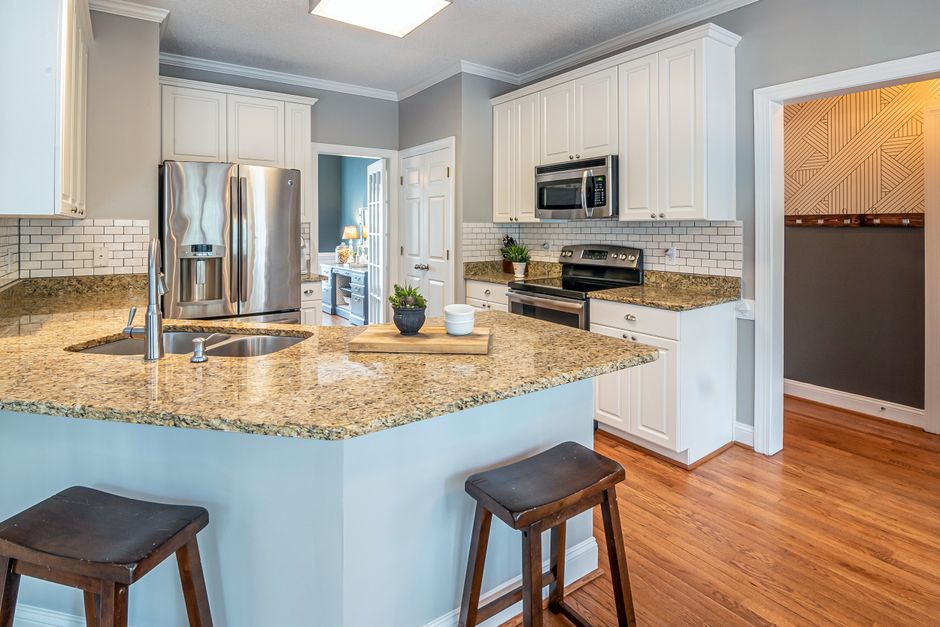
The physics of an angle grinder involves a rotational force that seeks to twist the tool out of the hands. During rough edging on a thick slab of quartzite, the lateral force increases as the blade bites into the stone. If the tool is held too loosely, the torque reaction will kick the disc sideways. This movement causes a deep gouge that requires extensive grinding to level out. Stabilizing the tool requires a firm two handed grip where the secondary hand acts as a stabilizer rather than a mere holder. The weight of the machine must be countered by the counter pressure of the body. This prevents the tool from wandering during the initial pass.
Stabilization Techniques for Rough Edging
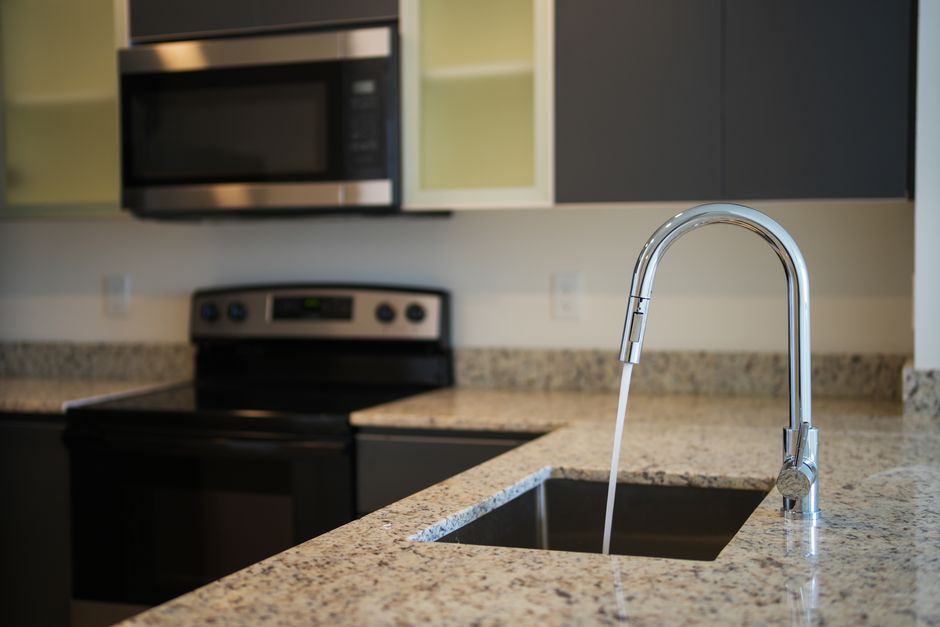
Managing the lateral force means maintaining a consistent angle relative to the stone face. When working on an eased edge or a bullnose, the grinder should never be perpendicular to the surface. Instead, a slight tilt allows the disc to skim the surface. Using a guide block or a jig can keep the tool at a fixed distance from the edge. This is particularly helpful when the stone is a dense marble or a heavy slab that resists the blade. A steady hand is not enough. Mechanical resistance must be built through the stance and the bracing of the elbows against the hips. This creates a closed loop of stability.
Material Specific Considerations
Different materials respond uniquely to the heat and vibration of the grinder. A piece of porcelain is brittle and prone to chipping if the torque reaction is not managed. On a butcher block or a laminate surface, the heat from a slipping disc can cause discoloration or melting. When a remnant is being shaped for a small project, the lack of mass makes the tool feel more erratic. The vibration travels through the hands more quickly in smaller pieces. Adjusting the pressure based on the density of the material prevents the tool from jumping during a seam placement or a sink cutout.
Edge Control and Finishing
The transition from rough edging to fine polishing depends on the flatness achieved during the first stage. A gouge made during the initial grind will show up clearly once the final polish is applied. Controlling the tool during a waterfall edge requires extreme precision. The tool must move in a continuous motion to avoid dwell marks. If the grinder stops moving while the disc is in contact with the stone, the torque will immediately dig into the material. Constant motion is the only way to maintain the integrity of the edge.