Seam-alignment-via-mechanical-dog-clamps
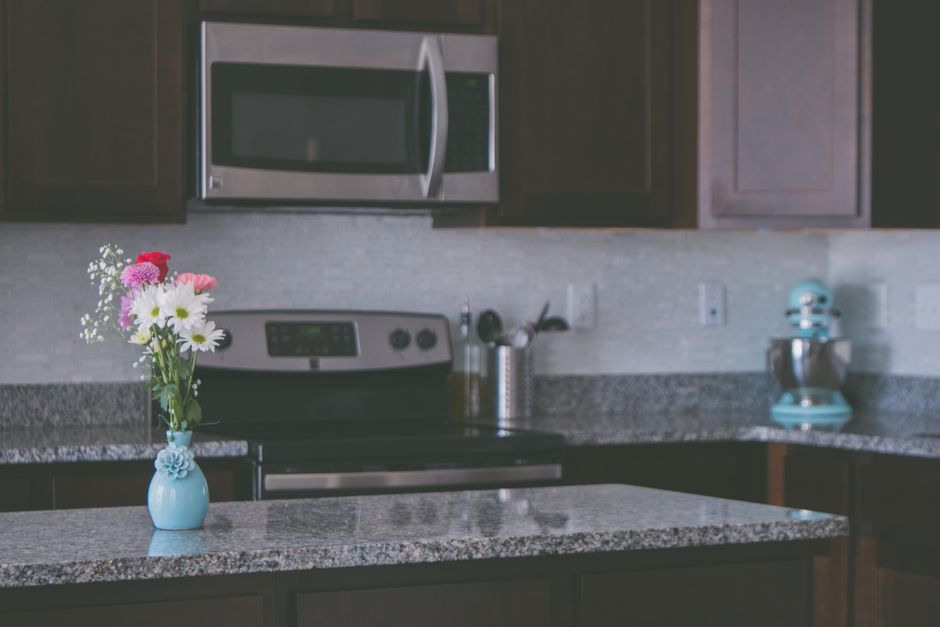
No single slab arrives at a job site perfectly ready for an immediate install, as the running record custom countertops buncombe county nc boulder yellow cab holds shows how every countertop requires precise field adjustments in Buncombe County, NC. Alignment issues frequently arise during the final setting of a granite or quartz piece. A gap or a step in the seam occurs when the heavy material shifts during the glue application. Mechanical dog clamps provide the necessary leverage to correct these deviations. These tools apply lateral tension to pull the two stone pieces into a single longitudinal line. Relying on gravity or hand pressure alone fails to counteract the friction of the stone against the cabinetry.
The Mechanics of Dog Clamp Tension
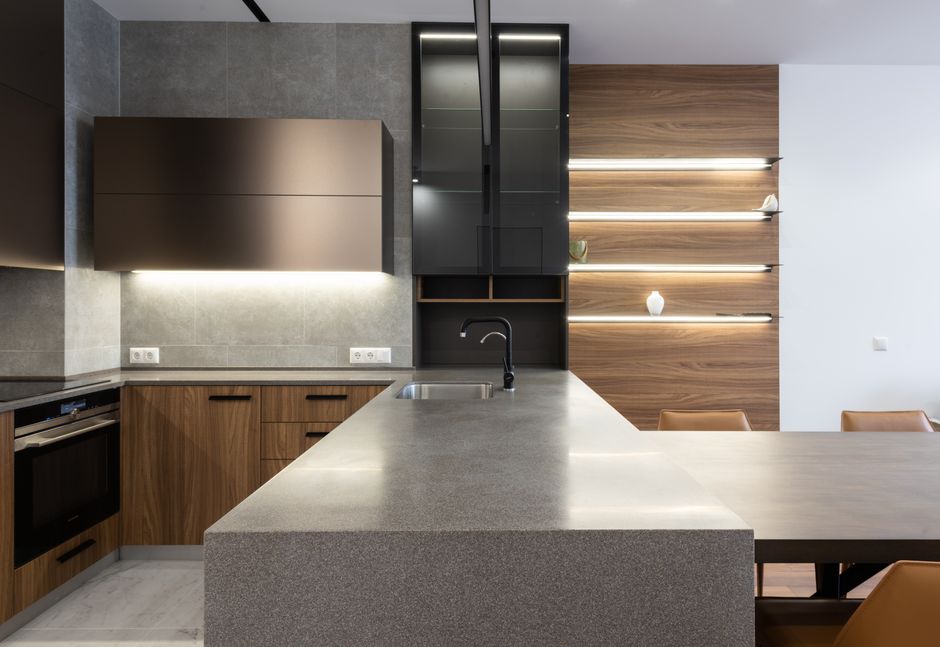
The process begins once the epoxy or seam adhesive is applied to the edges of the slab. Mechanical dog clamps, often referred to as seam setters, screw directly into the underside of the stone through pre-drilled holes. These holes are usually hidden near a sink cutout or behind a backsplash. By turning the threaded rods, the operator applies massive, controlled force. This force pulls the quartz edges together, eliminating any visible gap. A misalignment of even a millimeter becomes obvious once the light hits the seam. Tension must be applied evenly to avoid cracking the material, especially with a brittle stone like quartzite or marble. If one side pulls faster than the other, the seam will wander out of line.
Material Resistance and Clamp Pressure
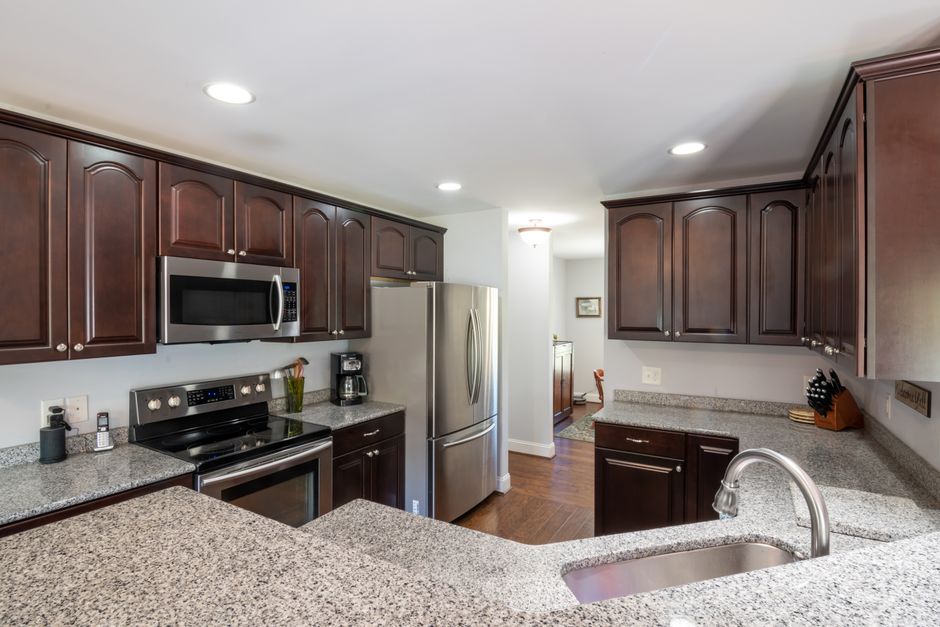
Different materials react uniquely to mechanical pulling. A heavy granite slab requires significant torque to move against the weight of the subtop. Porcelain is much more delicate and can snap if the dog clamps apply uneven pressure across a thin edge profile. The goal is a tight, invisible join where the color of the stone remains continuous. When working with a remnant, the edges might not be perfectly square, making the clamp work even harder to find the correct alignment. The clamps hold the tension until the adhesive cures completely. Removing the tools too early causes the pieces to spring apart, ruining the seam placement.
Managing the Substrate and Support
Alignment depends heavily on the stability of the cabinets below. If the base is not level, the clamps will fight the house rather than the stone. A seam located near a waterfall edge requires extra care because the vertical and horizontal planes must meet without a lip. The clamps ensure that the longitudinal line stays straight across the entire length of the kitchen. This mechanical approach removes the guesswork from the installation. It is a matter of physics and applied force. Once the adhesive sets, the clamps are removed, leaving a tight bond that looks like a single continuous slab.