Caulking-gun-trigger-pressure-modulation
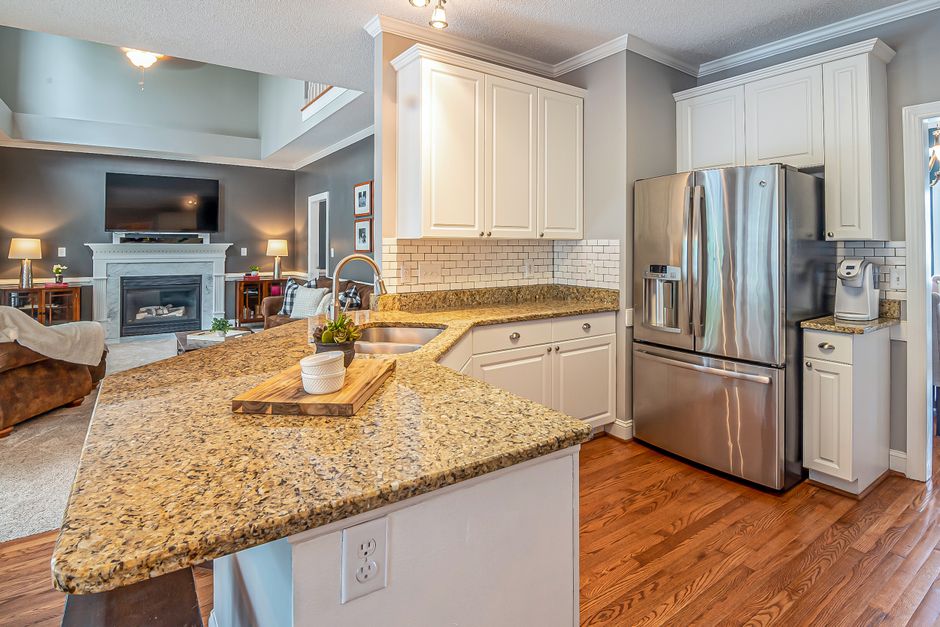
The trigger is expected to move smoothly. Instead, it often jerks or sticks. This inconsistency makes the work at custom countertops buncombe county nc boulder yellow cab difficult to master. Precise bead application on a new quartz slab or a granite work surface requires steady hand movements throughout Buncombe County, NC.
Mechanical Pressure Dynamics
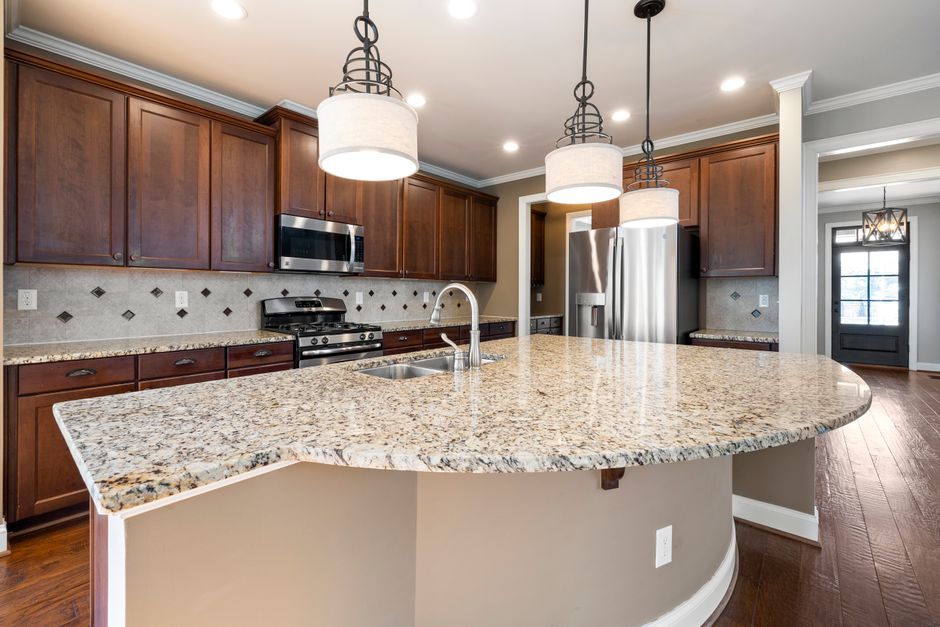
The plunger moves based on the physical force applied to the trigger. Too much pressure causes a surge in material, leading to a bead that is too thick. This excess volume often overflows the edge profile or ruins the clean line at a seam. Too little pressure results in a thin, broken line that fails to fill the gap between the stone and the wall. A consistent flow depends on the ability to modulate the finger force to match the speed of the hand movement.
Managing Air Pockets
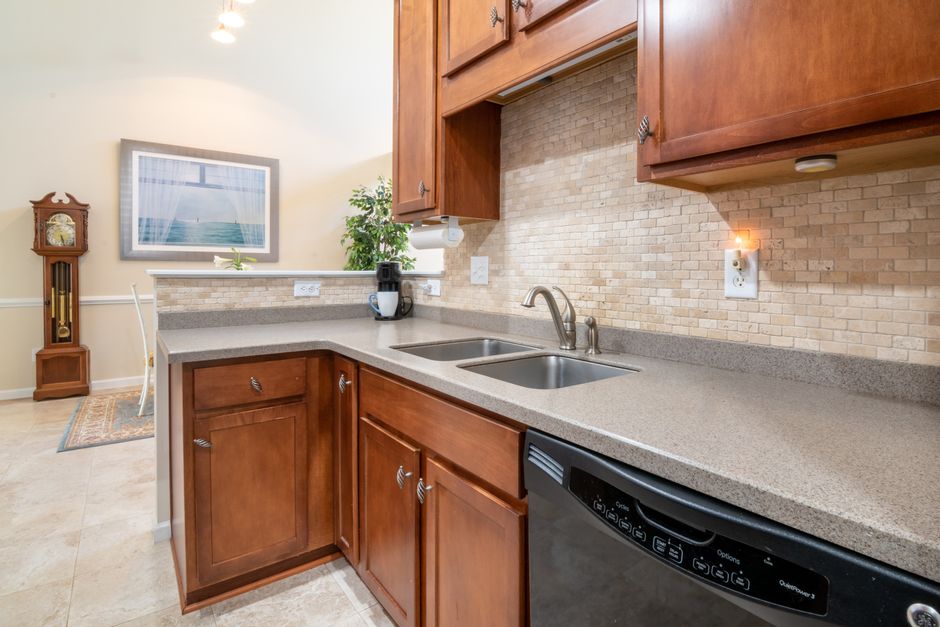
Air enters the stream when the plunger speed fluctuates. If the trigger is released suddenly, the vacuum pulls air into the nozzle. This creates bubbles inside the bead. These pockets weaken the seal. To avoid this, the trigger must be squeezed with a constant, rhythmic tension. A steady flow ensures the sealant stays packed tight against the quartzite or marble surface. Air gaps lead to moisture penetration and eventual failure of the joint.
Bead Width and Speed Control
The width of the bead is a calculation of flow rate versus travel speed. For a standard sink cutout or an undermount sink installation, the sealant must be thick enough to bridge the gap but not so heavy that it touches the face of the stone. Moving the gun too fast with low pressure creates a starved joint. Moving too slow with high pressure creates a bulge. The goal is a uniform line that follows the seam placement without deviation.
Tool Maintenance and Tension
A dirty or rusted mechanism alters the trigger response. Grit in the drive rod causes the plunger to jump. This makes it impossible to maintain a steady bead on a delicate porcelain or soapstone edge. The tool must be wiped down regularly. A smooth-running gun allows for the fine-tuned modulation required for professional results. If the mechanism feels heavy, the pressure applied will be uneven, which ruins the visual line of the installation.
Final Seal Integrity
The final pass determines the longevity of the joint. Once the bead is laid, the tool is set aside. The sealant must be pressed into the gap to ensure no voids remain. A successful bead sits flush against the slab and the substrate. This prevents water from reaching the cabinets below. Uniform pressure during the application phase prevents the need for rework or messy corrections after the material begins to skin over.